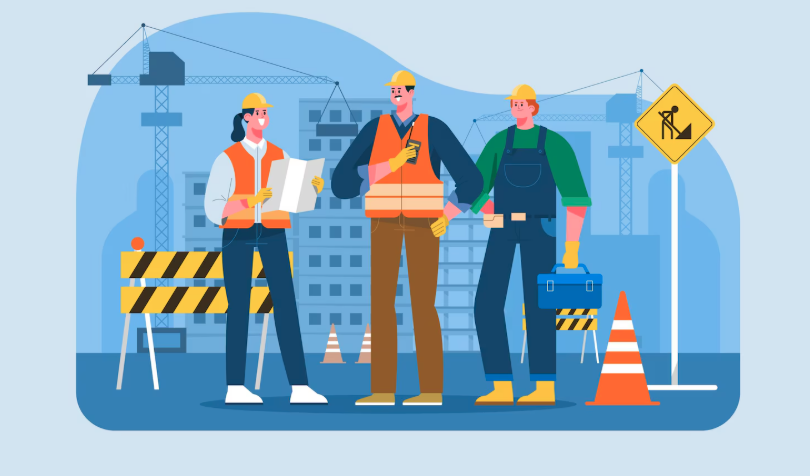

Working safely is not only your employer’s responsibility; you also play a key role in protecting your health, safety, and physical and psychological well-being. Knowing your responsibilities will help you prevent accidents, reduce risks, and contribute to a safer work environment for everyone.
Know your company’s prevention programs.
If your employer has a prevention program, it is important that you:
- Read and understand it: This will help you identify the specific risks related to your job.
- Follow the instructions: Respecting established procedures is your first line of protection.
- Participate actively: Your input on potential risks can help improve safety for you and your coworkers.
InfoTET Tip: An informed worker is a protected worker. Knowing prevention programs gives you an advantage in responding correctly to risky situations.
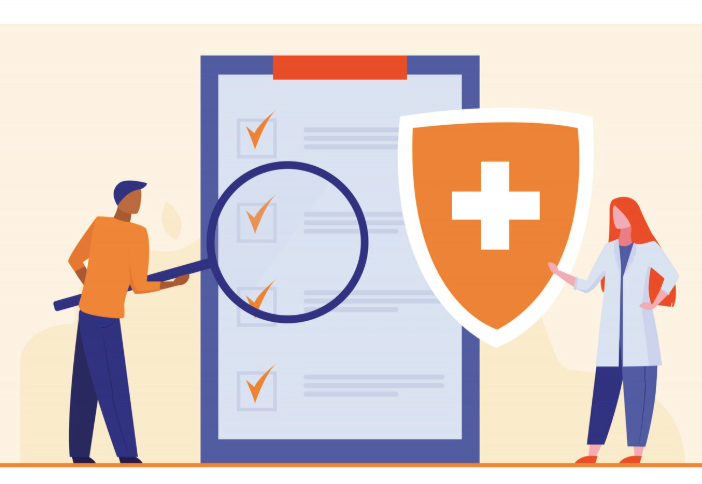

Protect your health and physical and psychological integrity.
Your safety largely depends on how you take care of yourself at work:
- Always follow safe work methods: This includes proper techniques for handling machines, tools, and materials.
- Use personal protective equipment (PPE): Helmets, gloves, goggles, boots, or any other equipment provided by your employer.
- Know what to do in case of a workplace accident or occupational illness: Understanding the proper steps can prevent serious complications.
- Avoid putting others at risk: Do not engage in actions that could harm coworkers or subcontractors.
- Do not work under the influence of drugs or alcohol: This compromises your safety and that of everyone in the workplace.
- Comply with medical examinations required under occupational health and safety laws.
Remember: Prevention starts with you. Your responsibility is to protect your life and the lives of others.
Actively participate in workplace safety.
Your involvement helps create a safer environment for everyone:
- Identify and report workplace hazards, including physical or psychological violence.
- Inform your employer about:
- Any accident, incident, or work-related illness
- Any dangerous situation you observe
- Any case of violence, harassment, or mistreatment at work
InfoTET Advice: Do not ignore risks, even if they seem minor. Every report helps prevent accidents and protects your team.
Collaborate with health and safety committees.
- Participate in the Health and Safety Committee (HSC) if your workplace has one.
- Cooperate with anyone responsible for enforcing occupational health and safety laws.
Your cooperation helps implement more effective preventive measures and ensures that your workplace complies with legal standards.


Additional safety precautions:
- Stay informed about your rights and responsibilities.
- Never accept tasks that do not meet safety standards.
- Make sure you receive clear instructions on how to use tools and hazardous equipment.
- Share your questions or concerns with your supervisor, the safety committee, or CNESST.
For more information about your rights and responsibilities:
Website: cnesst.gouv.qc.ca
Phone: +1 844 838-0808
The CNESST (Commission des normes, de l’équité, de la santé et de la sécurité du travail) is a Government of Quebec organization that promotes and enforces workers’ and employers’ rights and obligations. It provides information in French and Spanish, making it easier for TFWs to access reliable resources to work safely.
Stay informed, participate, and communicate: these are your main tools to work safely in Quebec. InfoTET supports you so that your work experience is safe, clear, and fully aligned with your rights and obligations.