
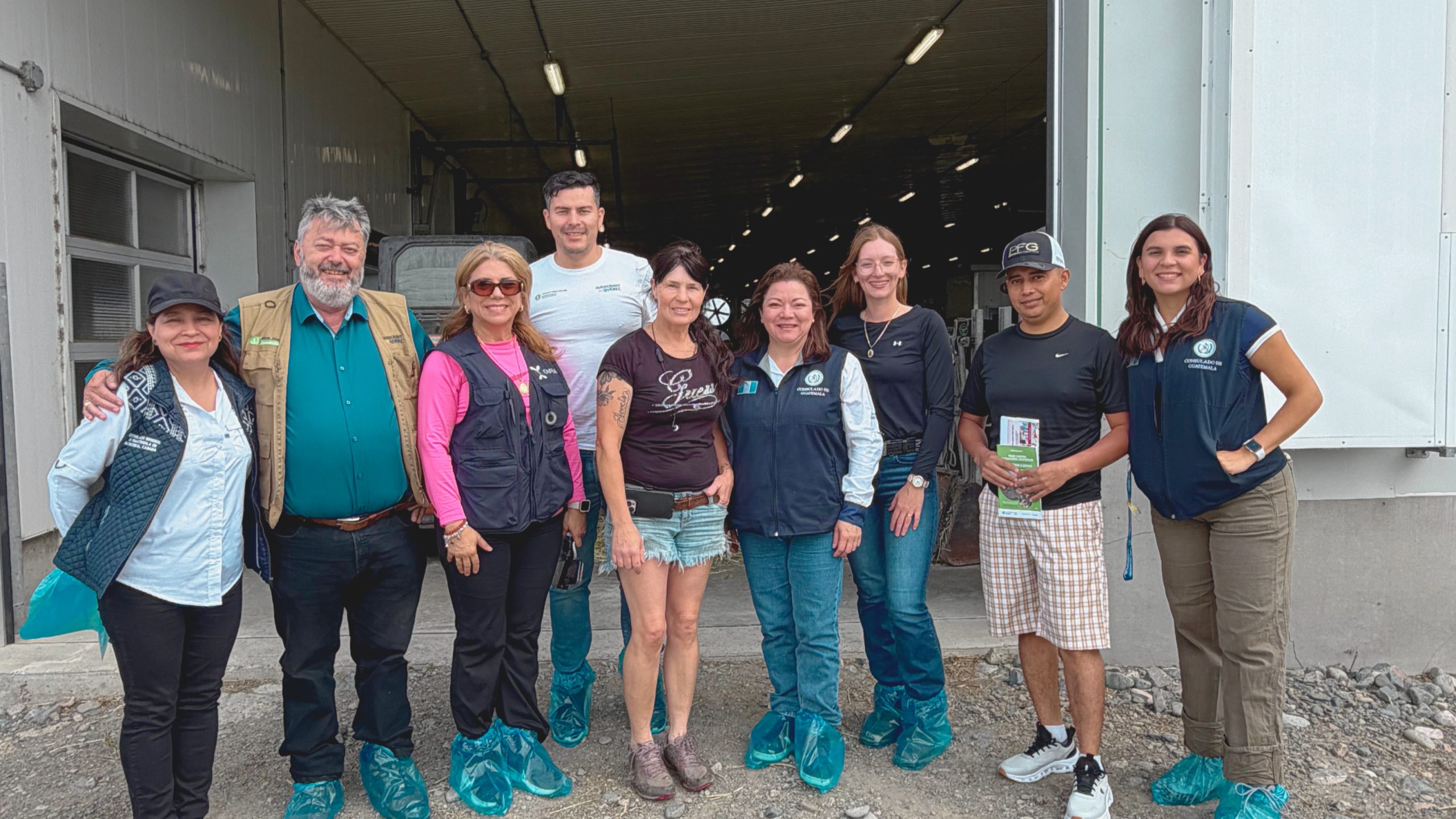

From August 17 to 21, 2026, the InfoTET team at Immigrant Québec traveled more than 2,000 kilometers round-trip across the Abitibi-Témiscamingue region to meet with temporary foreign workers (TFWs), in collaboration with the Consulate of Guatemala and the Centre d’aide aux familles latino-américaines (CAFLA). The tour provided an opportunity to meet with more than 100 workers, share information about their rights and available resources, and gain a better understanding of the realities of those working in the agricultural sector of this vast region of Quebec.
The main goal of the tour was to meet temporary foreign workers in person, listen to their concerns, answer their questions, and introduce them to resources they can access during their employment in Quebec.
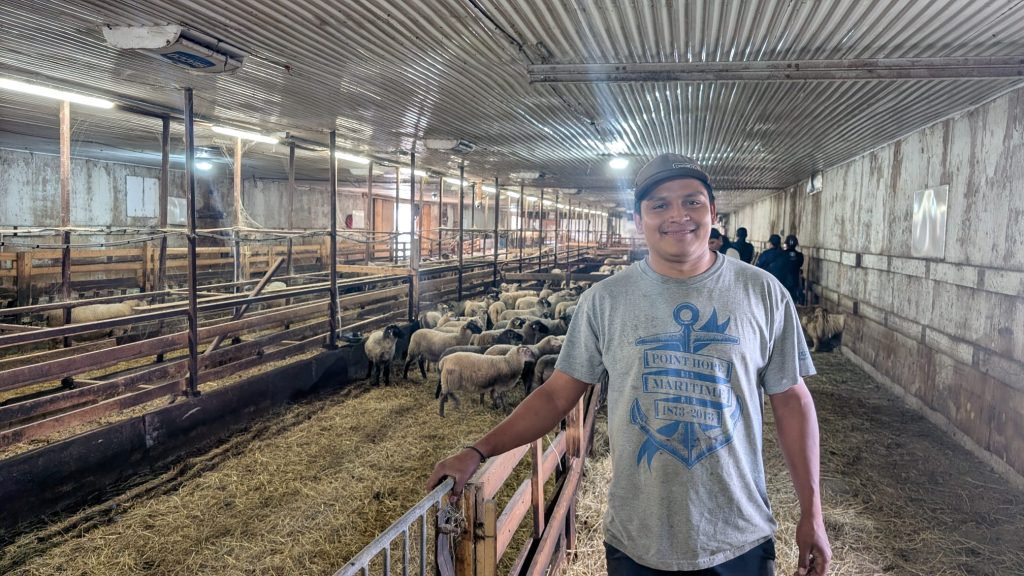
Over five days, the team visited various farms and met workers in dairy production, cattle and sheep farming, vegetable growing, and potato production. Informational guides were also distributed to help workers access useful information.
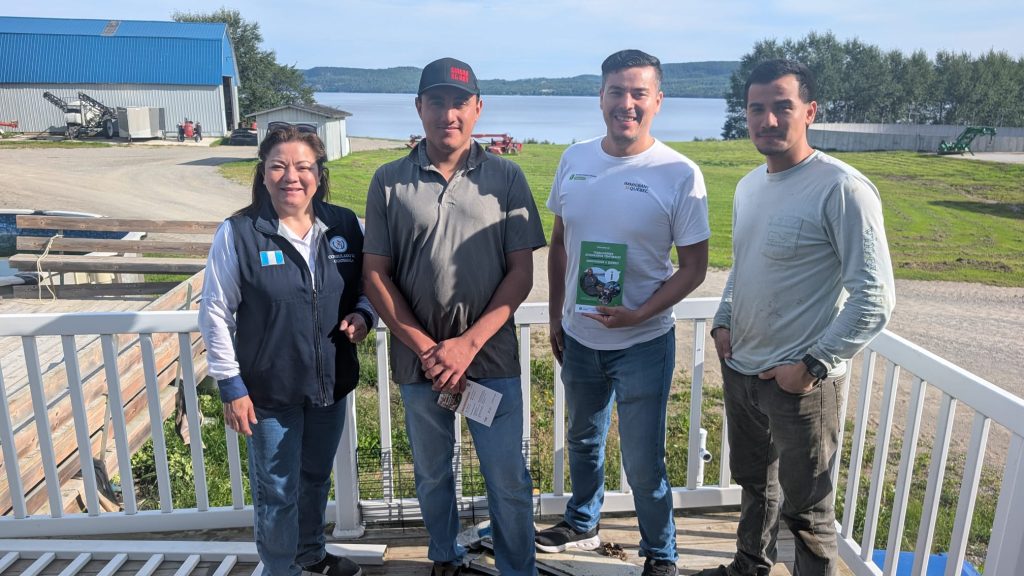
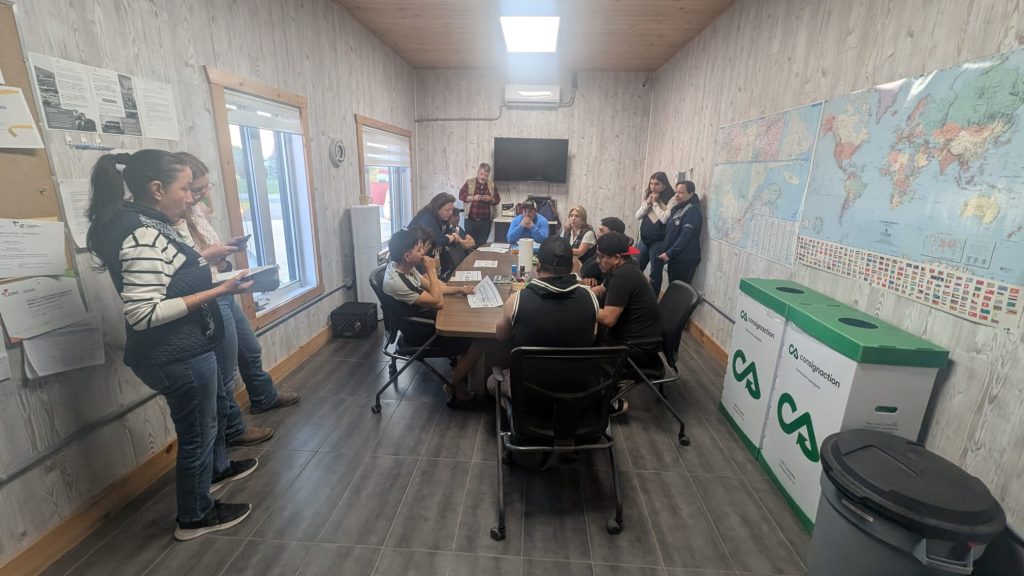
Discussions covered topics such as taxes, parental leave, TFWs’ rights and responsibilities, and workplace accident prevention. The team was also pleased to learn that several workers were taking part in agro-French-language training initiatives, demonstrating their interest in improving their French skills and communicating more effectively in their work environment.
The visits also provided an opportunity to observe working and living conditions on the farms visited, as well as the positive relationships between workers and the employers who welcomed the team. The participation of the Consulate of Guatemala helped bring consular services directly to Guatemalan workers. Its representatives presented the information, protection, and assistance services available to their fellow citizens during their stay in Quebec.
Administrative services were also provided directly in the region, including the renewal of several passports. This initiative is particularly valuable for people living far from major urban centers, who might otherwise have to travel long distances to complete these procedures. The (CAFLA) Centre d’aide aux familles latino-américaines, presented resources related to physical and mental health, highlighting the importance of personal well-being when working far from family and familiar surroundings.
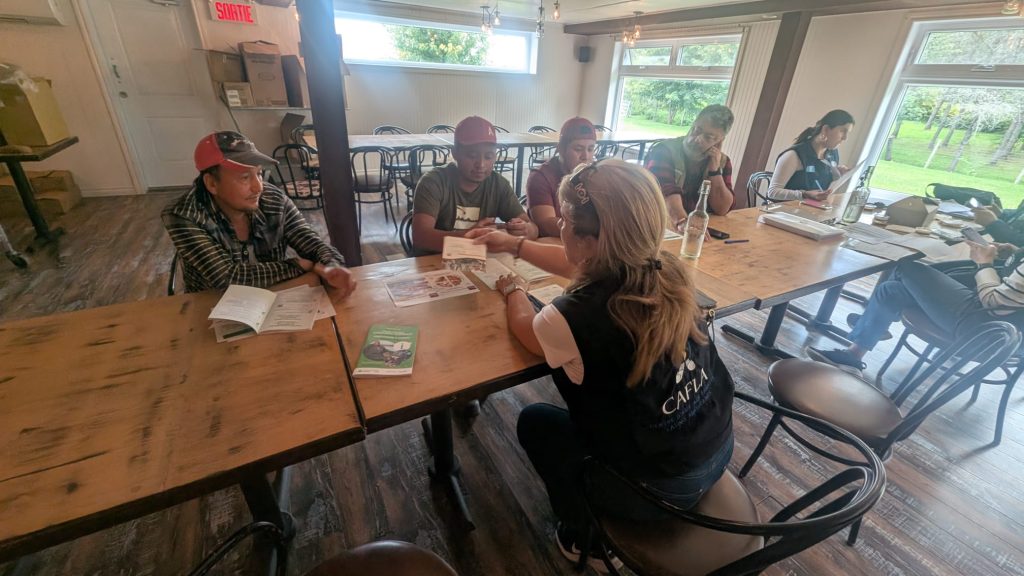
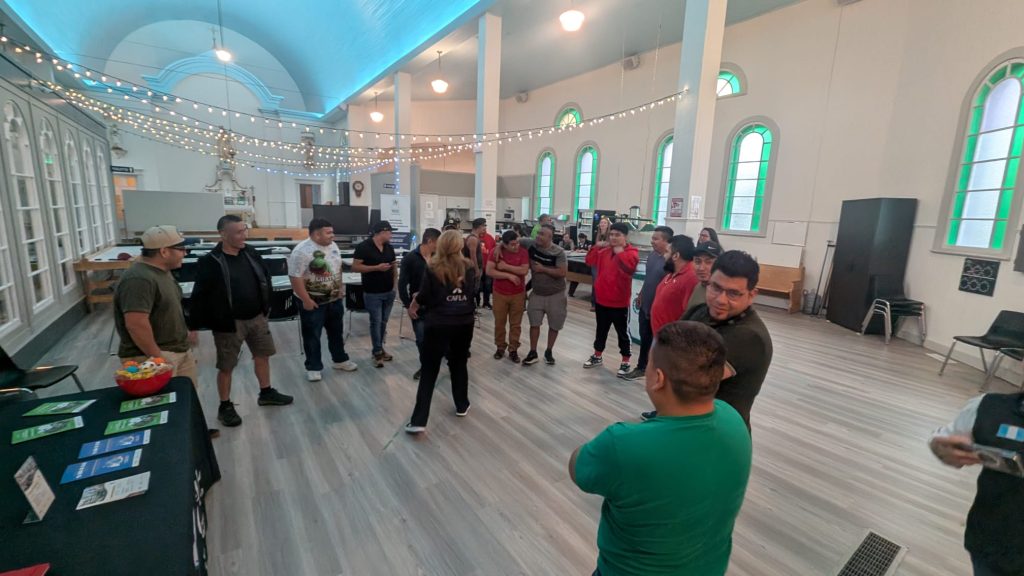
The visits also included active breaks led by Eliana Jaramillo from CAFLA. These activities gave workers an opportunity to move, stretch, and spend time together while emphasizing the importance of taking care of their physical and mental health. The collaboration between InfoTET, (CAFLA) Centre d’aide aux familles latino-américaines, and the Consulate of Guatemala brought together different resources and services to address workers’ needs, including information, prevention, health resources, and consular services.
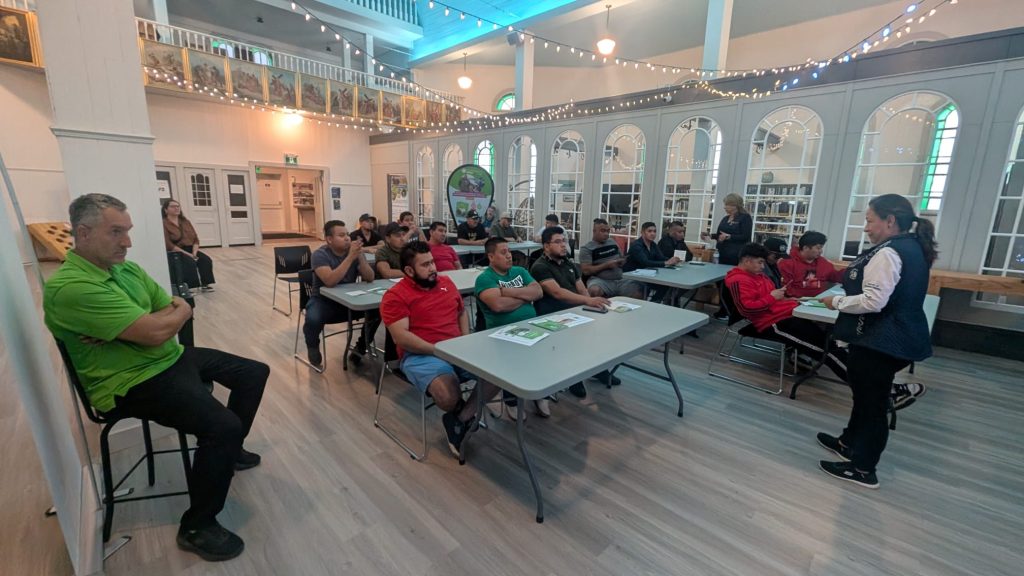
One of the highlights of the tour was an information session held in Fugèreville, attended by approximately 30 workers from Ferme Boréale. The participants traveled specifically to take part in the event La Mosaïque Interculturelle also participated in the session. Workers had the opportunity to ask questions, speak directly with representatives from the organizations, and learn more about the resources available to them.
The activity highlighted the importance of bringing different organizations together to make information more accessible and help workers discover the services they can turn to when they need guidance or support. The tour also allowed the InfoTET team to gain a closer look at the diversity of agriculture in Abitibi-Témiscamingue and the realities of businesses that rely on this workforce.
Visits to several farms, including Valsy, Témista, Baril, Rose Haven, Allfond, L’Eden Rouge, Pillard, and Lunick, provided insight into the region’s agricultural activities and the essential role temporary foreign workers play in keeping these businesses running. Meetings with local organizations and community partners, including La Mosaïque Interculturelle, the MRC de Témiscamingue, and the CDC du Témiscamingue, also helped the team learn more about local community resources, establish new connections, and explore opportunities for collaboration to improve TFWs’ access to information.
InfoTET would especially like to thank Megan Sigouin from La Zone Espagnol for her important contribution to organizing the tour and for helping connect the team with various farms and local stakeholders. We also thank the Consulate of Guatemala for its participation, as well as Eliana Jaramillo and (CAFLA) Centre d’aide aux familles latino-américaines for their collaboration and commitment to workers’ well-being.
Continuing to Bring Information Directly to TFWs
Abitibi-Témiscamingue is a vast region where long distances can make it difficult to access services and information. This tour reaffirmed the importance of meeting temporary foreign workers in person to better understand their needs and make them aware of the resources available to them. Although five days were not enough to cover the entire region, the visits helped establish new connections, gain a better understanding of some local realities, and identify possible next steps to strengthen InfoTET’s presence in the region.
InfoTET at Immigrant Québec thanks the more than 100 workers met, the employers who welcomed the teams, and all partner organizations that helped make this tour possible. We also warmly thank farms Valsy, Témista, Baril, Rose Haven, Allfond, L’Eden Rouge, Pillard, Lunick, Les Viandes à côté du bord de l’eau, and Les Serres Coopératives de Guyenne for welcoming the teams and their collaboration. These visits reinforce our commitment to facilitating access to information and continuing to work with organizations that help inform temporary foreign workers about their rights, responsibilities, and the resources available to them during their employment in Québec.