
In Quebec, Holy Week and Easter are well-known celebrations, but they are experienced differently than in many TFWs’ countries of origin. At InfoTET, we want to provide this information to help you better understand the cultural context during your stay.
Holy Week commemorates important events in the Christian tradition, such as Good Friday and Easter Sunday. While these holidays have a religious origin, in Quebec they are mainly celebrated in a cultural and family-oriented way.
During this period, it is common that:
- Some businesses, government offices, and services are closed, especially on Good Friday or Easter Monday
- Supermarkets, banks, and transportation schedules may be changed
- Many people take the opportunity to rest or travel
It is recommended to check with your employer if your work schedule will be affected.


Unlike other countries where celebrations may be more religious or public, in Quebec the focus is mostly on:
- Easter egg hunts for children
- Family gatherings
- Exchanging chocolates and sweets
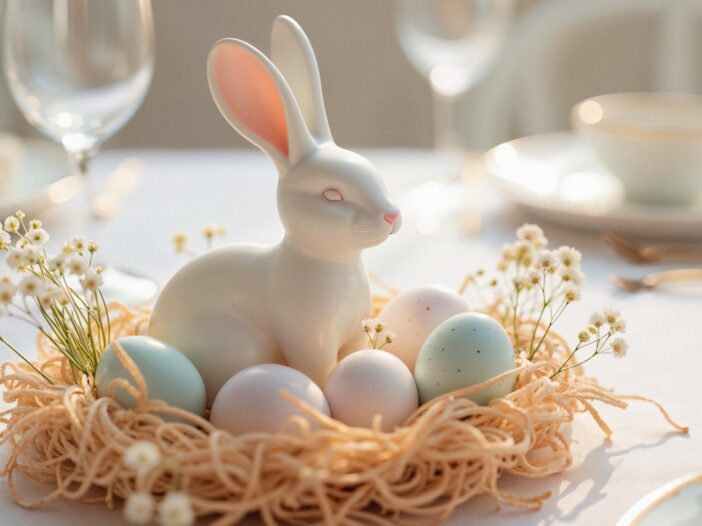
The main symbol is the Easter Bunny, associated with the arrival of spring.
Depending on your country of origin, you may notice some differences:
- Fewer public religious processions or events
- Greater emphasis on family and commercial traditions
- More discreet celebrations in public spaces
This does not mean the period is less important; it is simply experienced differently.
Tip for your integration. Understanding these cultural differences can help you:
- Adapt more easily to your environment
- Understand changes at work or in services
- Participate, if you wish, in local activities
At InfoTET, we encourage you to see this period as an opportunity to discover new traditions.