
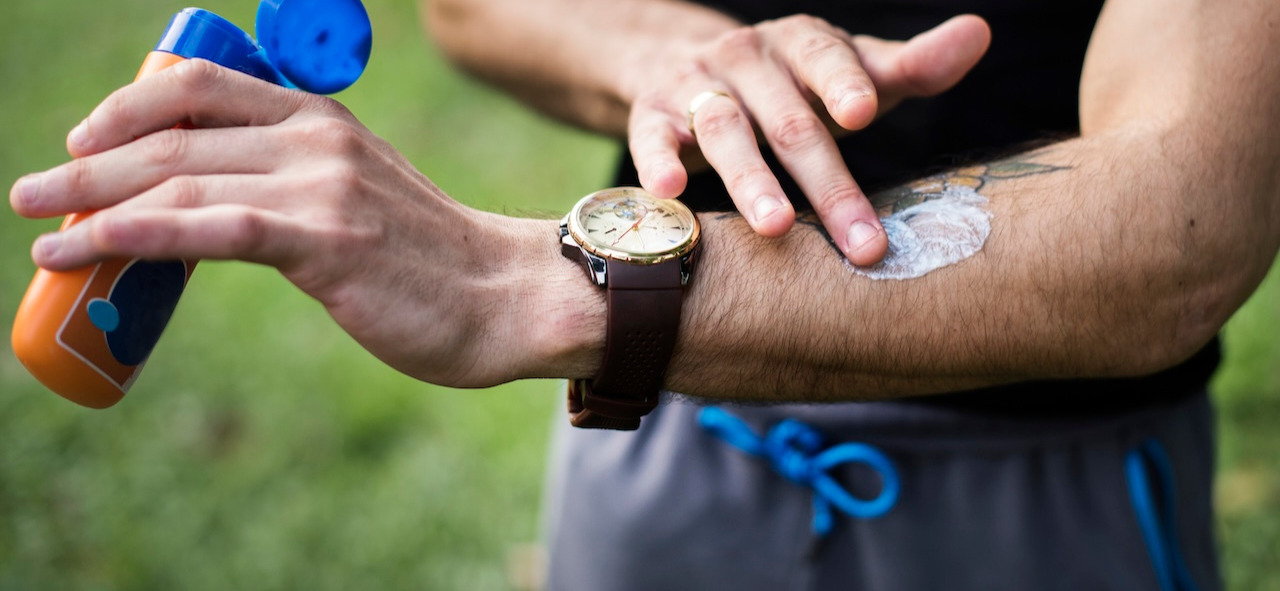

Knowing prevention measures helps temporary foreign workers (TETs) protect their health while working outdoors
For many temporary foreign workers (TETs), outdoor work is part of their professional experience in Québec, especially in sectors such as agriculture, horticulture, landscaping, and other jobs performed in contact with nature.
During periods when insects are more active, working outdoors can increase exposure to mosquitoes, ticks, and other insects. While many insect bites are harmless and go away on their own, some can cause significant reactions or, in certain cases, transmit diseases.
Through InfoTET, we would like to share simple recommendations that can help reduce risks and support workers’ well-being during their workdays.

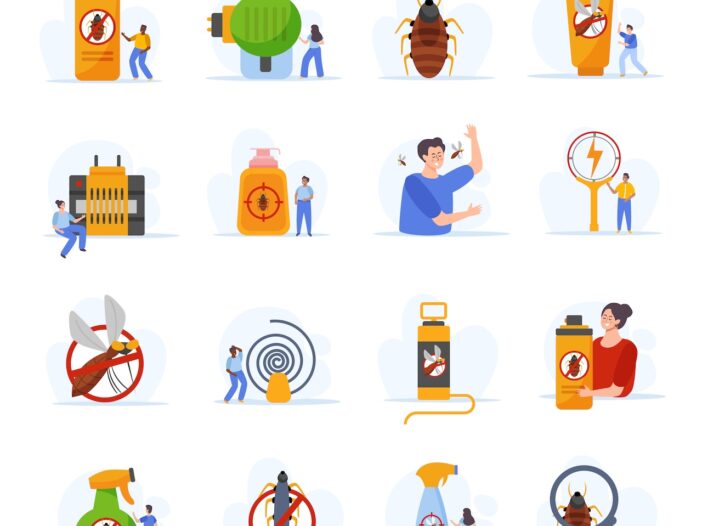
A few prevention measures can make a difference:
- Use insect repellent when recommended, especially in areas where mosquitoes or ticks are more common.
- Wear clothing that covers your arms and legs when working in areas with tall grass, dense vegetation, or places where insects may be present.
- Check your skin at the end of the workday, especially after working in wooded areas, tall grass, or places with abundant vegetation.
- Keep windows closed if they do not have screens, especially during times of the day when insects are most active.
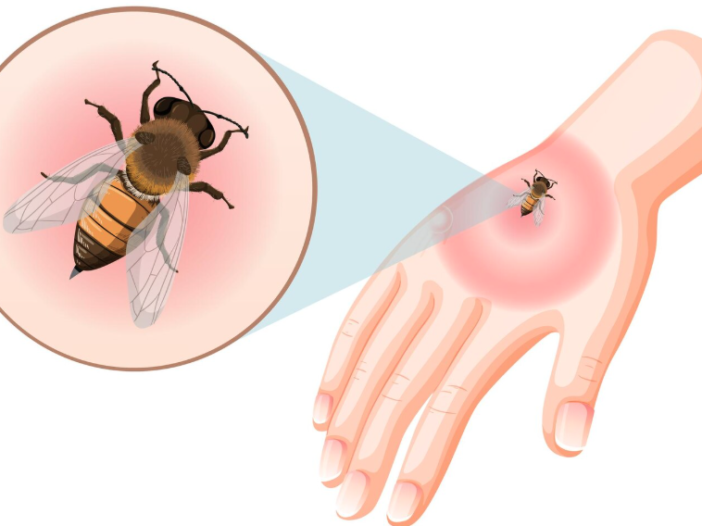
It is important to seek medical advice if, after an insect bite, you notice:
🔸 Significant redness around the affected area.
🔸 Excessive swelling.
🔸 Fever or other symptoms after a bite.
🔸 A tick attached to your skin.
If a tick is attached to your skin, it is recommended to follow healthcare guidance to ensure it is removed properly.
Prevention is an important way to protect your health. Small daily actions can help avoid complications and allow TETs to continue their activities safely.
Through InfoTET, we continue to provide useful information to support temporary foreign workers (TETs) in their daily and professional lives in Québec.