
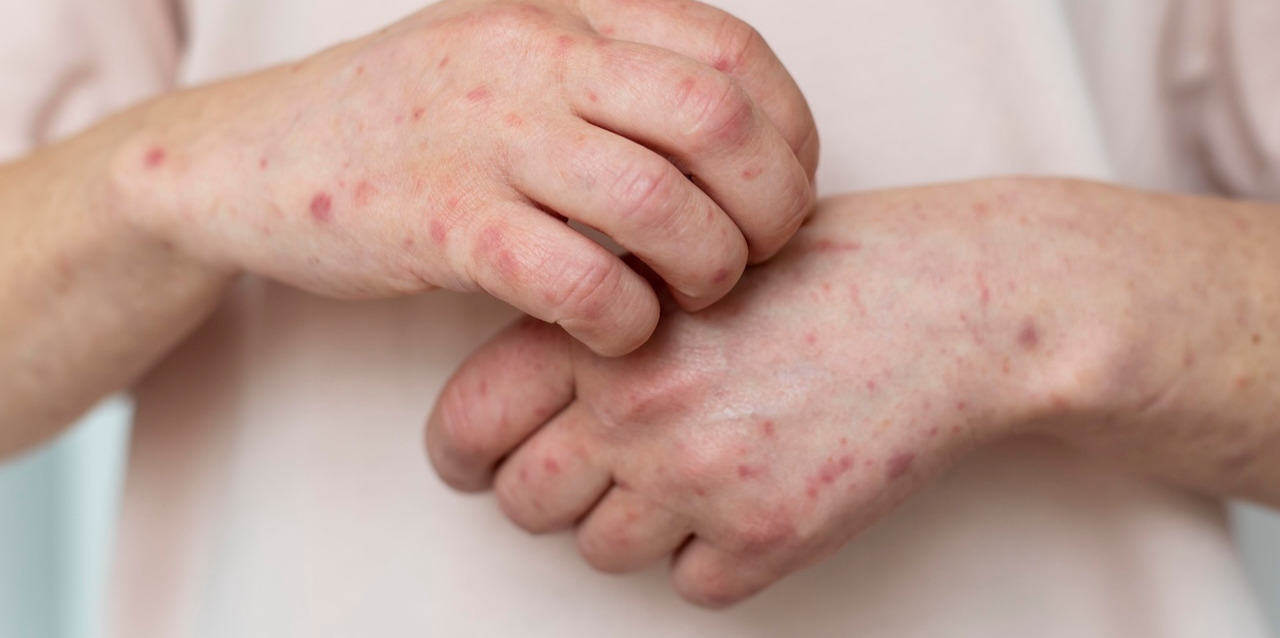

Understanding the symptoms, prevention measures, and health recommendations helps temporary foreign workers (TETs) protect their health and the health of their community
Québec health authorities have reported new cases of measles in the province. Through InfoTET, we would like to share useful information with temporary foreign workers (TETs) to help them better understand this disease, its main symptoms, and the recommended measures to protect their health.
What is measles?
Measles is an infectious disease caused by a virus. It spreads easily from one person to another, mainly through the air when an infected person coughs, sneezes, or talks.
Although many people recover without complications, measles can cause more serious health problems, especially for people who are more vulnerable. This is why prevention and access to reliable information are important to help reduce its spread.

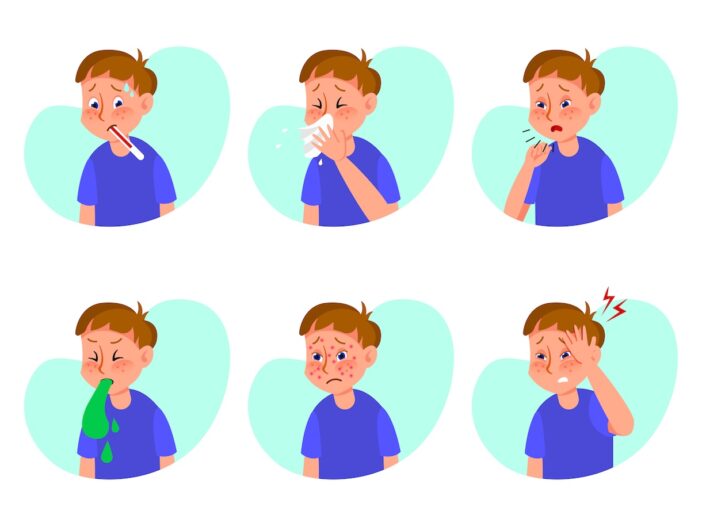
What are the symptoms of measles?
Symptoms usually appear between one and three weeks after exposure to the virus. The main signs include:
- High fever
- Cough or runny nose
- Red or irritated eyes
- Skin rash (red spots on the skin)
If these symptoms appear, it is important to follow health service recommendations in order to receive the appropriate guidance.
How can measles be prevented?
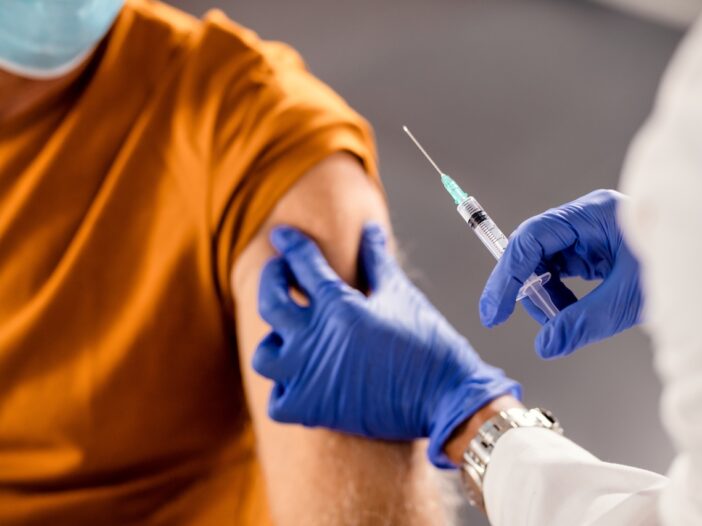
The main prevention measure against measles is vaccination. People who have adequate protection have a lower risk of contracting the disease and spreading it to others.
For temporary foreign workers arriving in Québec or those who have recently lived in other places, it is recommended to check their vaccination history and consult health services if they have questions about their protection against measles.
What should you do if you have symptoms?
If a person develops symptoms that may be related to measles, it is recommended to contact a health service before going directly to a clinic or hospital. This allows them to receive the proper instructions and helps prevent possible exposure to other people.
Health authorities recommend paying particular attention to people who may be at higher risk, including:
- Babies under one year old.
- Pregnant women who are not protected against measles.
- People with weakened immune systems.
Through InfoTET, we continue to provide information that helps temporary foreign workers (TETs) better understand Québec’s healthcare system, learn about official recommendations, and make informed decisions to protect their well-being and that of the community.