


During holidays, days off, and social gatherings, celebrations are common. However, in Canada, driving under the influence of alcohol or drugs — or having care and control of a vehicle while impaired — is a serious criminal offence.
For temporary foreign workers (TFWs), one poor decision can lead to serious criminal and immigration consequences, jeopardizing work permits and the right to remain in Canada.
What does Canadian law say?
Driving while impaired by alcohol, drugs, or a combination of both is a criminal offence under the Canadian Criminal Code. The law applies to everyone in Canada, regardless of nationality or immigration status.
This includes:
- Driving after consuming alcohol or drugs (legal or illegal);
- Being inside a vehicle with access to the keys;
- Sleeping in a vehicle while intoxicated, even if not driving.
Important: The concept of care and control means that if a person is able to put the vehicle in motion, even accidentally, they may be charged.
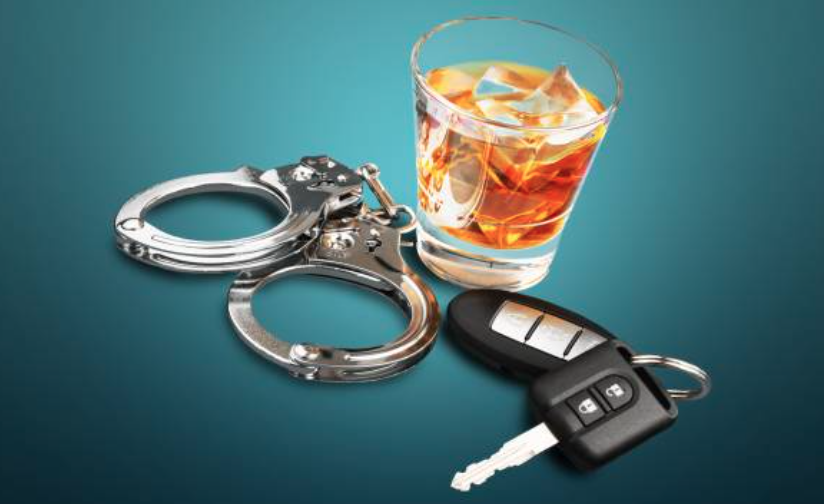
Sleeping in your vehicle: a risky choice
Sleeping in a vehicle after consuming alcohol or drugs is often seen as a safe alternative, but in Canada, it can still result in criminal charges.
Even if:
- The vehicle is parked;
- The engine is off;
- You are in the back seat;
- The vehicle is not operational;
You may still be charged with care and control, carrying the same consequences as impaired driving.
Possible legal consequences
If convicted, minimum penalties may include:
- A criminal record;
- A minimum fine of $1,000 CAD;
- Driver’s licence suspension for 1 to 3 years;
- Mandatory alcohol and drug education programs;
- Possible ignition interlock device;
- In serious cases, imprisonment.
For TFWs, consequences can be immediate and severe:
- Loss or non-renewal of work permit;
- Loss of legal status;
- Criminal inadmissibility;
- Removal from Canada;
- Future difficulties obtaining visas or permanent residence.
Every case is different. A charge does not automatically mean removal from Canada. With legal advice, it may be possible to:
- Challenge the legality of the arrest or evidence;
- Negotiate reduced or alternative charges;
- Present mitigating circumstances;
- Access alternative justice programs;
Explore available immigration options.
One offence can jeopardize years of work and future plans in Canada.


Prevention: the best protection
If you plan to consume alcohol or drugs:
- Choose a designated sober driver;
- Arrange to stay overnight;
- Use taxis or public transportation;
- During holidays, use services such as Operation Red Nose;
Avoid returning to your vehicle after consuming.
Video resource
To complement this information, we invite you to watch an informational video available on our YouTube channel. InfoTET Québec, in collaboration with the Société de l’assurance automobile du Québec (SAAQ), has developed a series of videos aimed at temporary foreign workers on: impaired driving due to alcohol and drugs.
Photos and video: InfoTET and Pexels