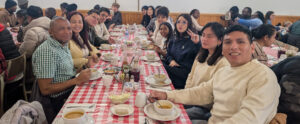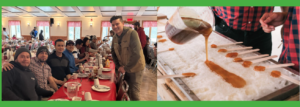
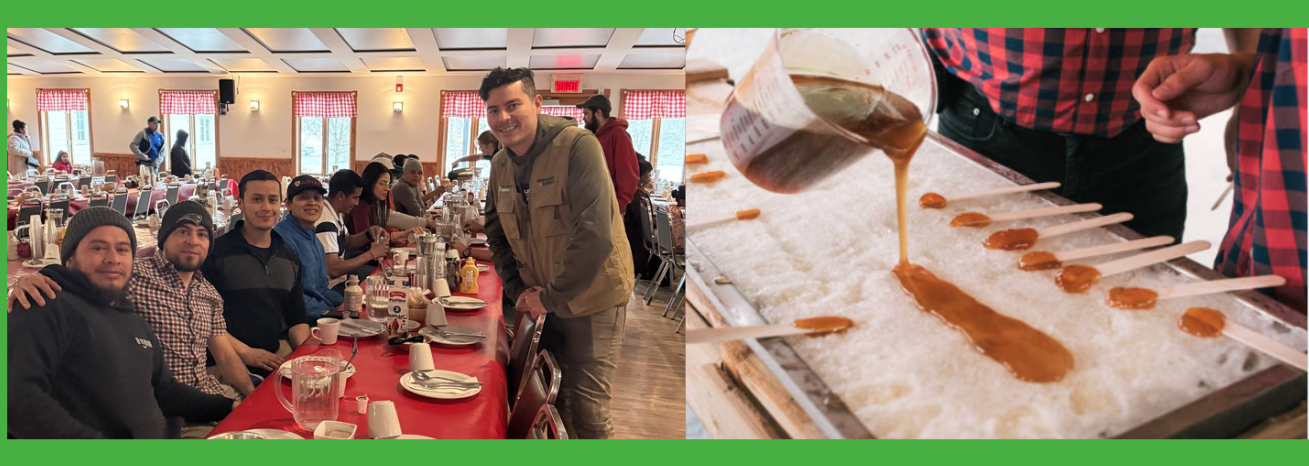

On Friday, March 13, 2026, Temporary Foreign Workers (TFWs) had the opportunity to immerse themselves in one of Quebec’s most iconic traditions: a visit to the Farsa Sugar Shack in Sainte-Eustache. Between 6:00 PM and 8:00 PM, approximately thirty TET from Mexico, Guatemala, and Nicaragua enjoyed an afternoon of sharing, learning, and fun in a truly Quebecois atmosphere.
Participants were able to taste traditional sugar shack cuisine, try maple taffy on snow, tour the evaporation room and the gift shop, and some attended with their families, where children also enjoyed games and activities. The event not only offered a chance to experience a cultural tradition but also created a welcoming space to connect and strengthen the TFWs community.
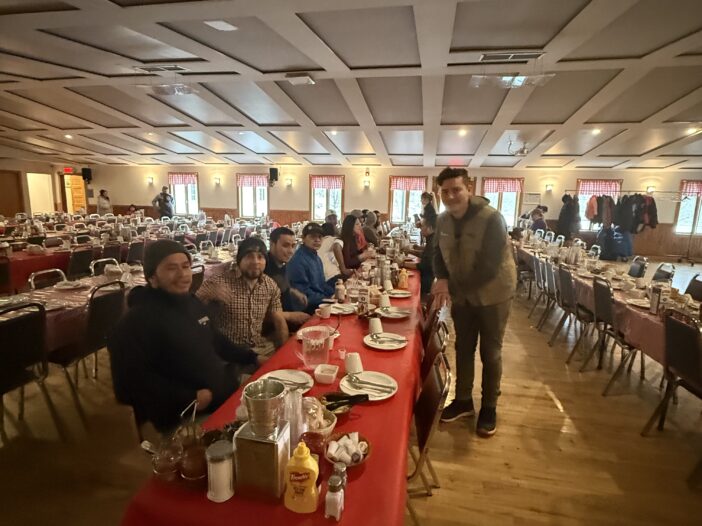
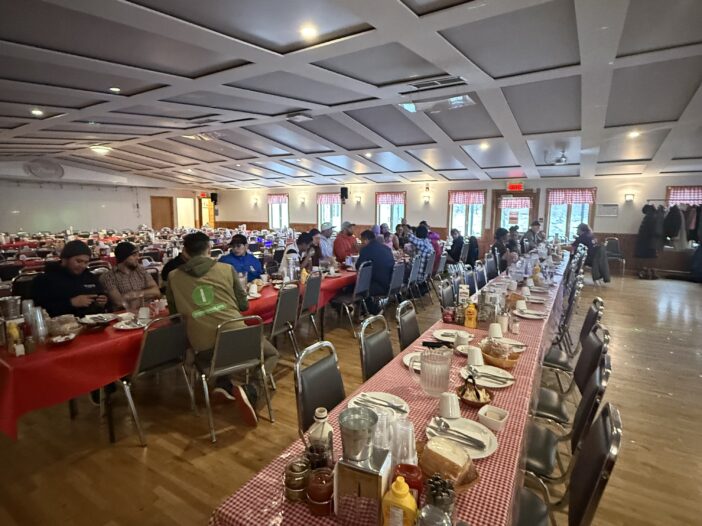
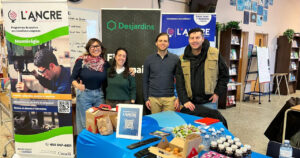
During the activity, Jonathan Buitrago, regional coordinator, and Alejandra Salas, collaborator with InfoTET of Immigrant Québec, took the opportunity to present the InfoTET Québec program and distribute the informational guide for TFWs, providing practical tools about their rights, obligations, and available resources. This exchange allowed participants to ask questions, share personal experiences, and better understand the realities of TFWs, reinforcing InfoTET’s mission to provide clear and useful information throughout their stay in the province.
InfoTET would like to extend special thanks to Marjorie Régimbeau, Executive Director, Alain Marginean, Director’s Advisor, and Julio Cesar Baez Done, Development and Collective Activities Officer, all from ABL Immigration, for their organization and dedication, which made this cultural experience memorable for all attendees.
Their commitment highlights the positive impact such initiatives have on the integration and support of foreign workers in Quebec.
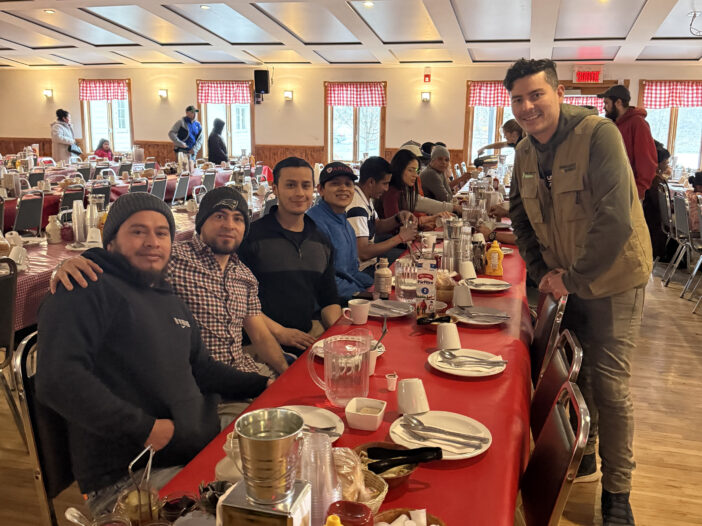
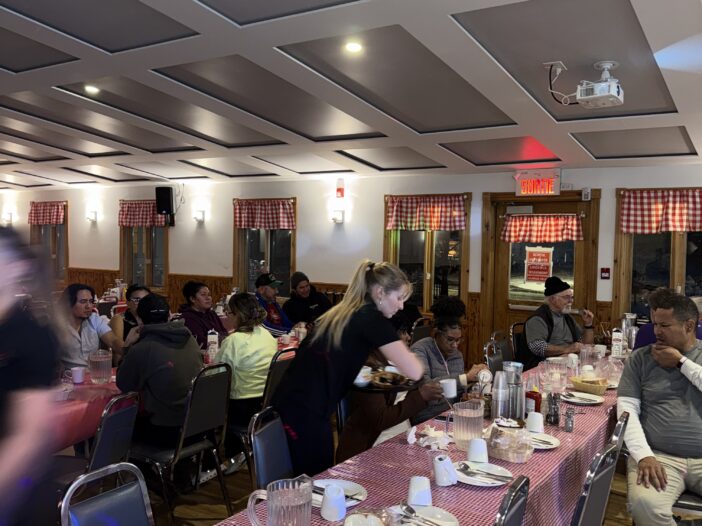
This activity emphasizes the importance of creating spaces for connection, learning, and enjoyment for TFWs, promoting social and cultural integration while offering meaningful experiences to help counter feelings of loneliness and isolation that workers may face far from their home countries.