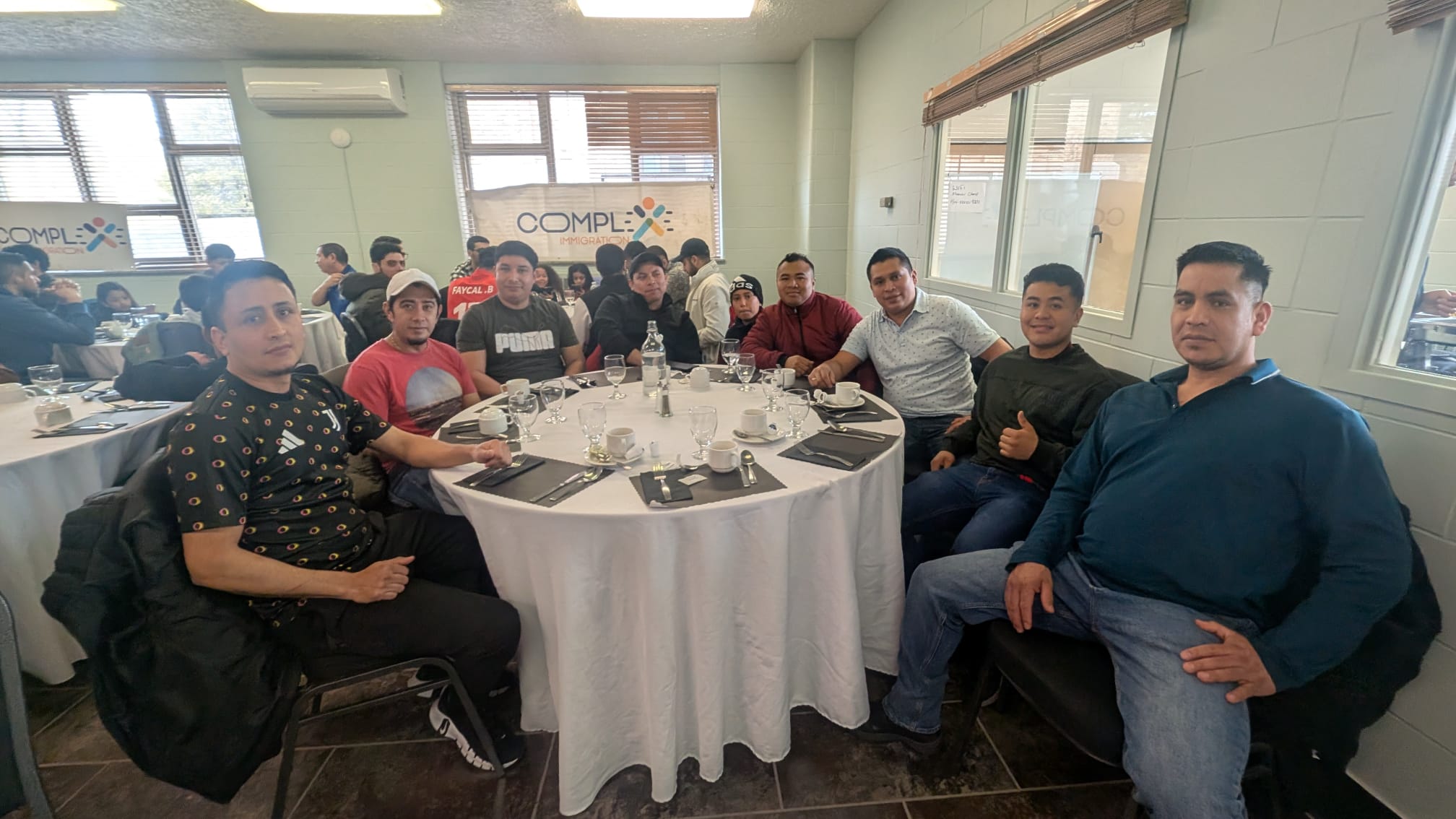

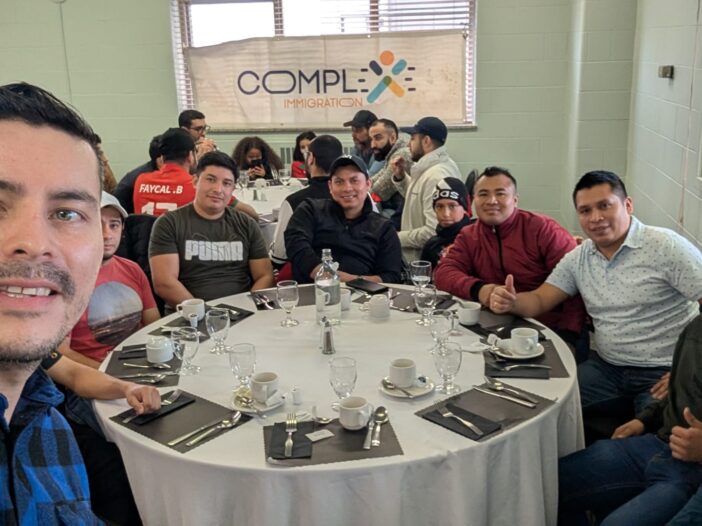
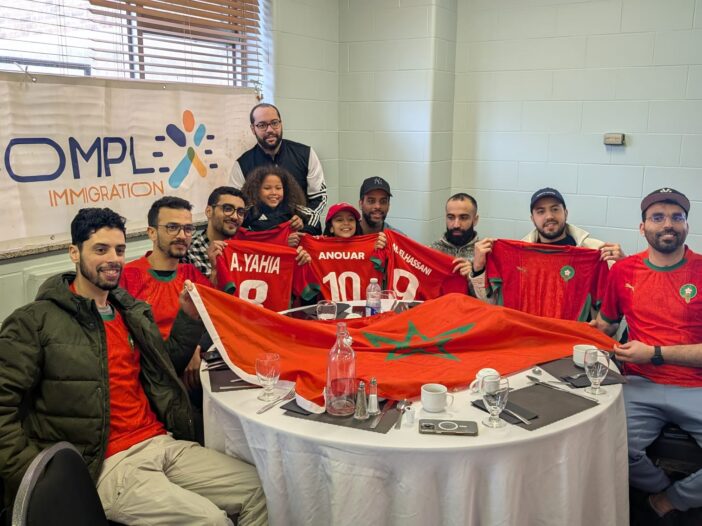
On Sunday, March 29, a special activity for Temporary Foreign Workers (TFWs) took place in Châteauguay, organized by Complexe X Immigration. Held in a traditional cabane à sucre setting, the event unfolded in a warm, festive, and welcoming atmosphere, bringing together workers from different countries, including Morocco, Colombia, and Guatemala, and creating a space for cultural exchange and social connection.
For many participants, this was their first experience at a cabane à sucre, giving them the opportunity to discover and enjoy traditional Québec cuisine in a festive and community-oriented setting. Others were already familiar with this tradition. Among them, a Guatemalan worker with over 12 years of experience in Québec shared that this activity represents a meaningful moment he always enjoys reliving, as it strengthens his connection to the local culture.
In addition to the cultural and culinary aspects, the day also included a special recognition moment for participants in the winter soccer tournament organized by the same organization, with trophies awarded to the finalist teams. This gesture helped reinforce a sense of community, effort, and participation among the workers.
During the activity, Sandra Cerdeline, Executive Director of Complexe X Immigration, alongside Andreu Perez, Activities Coordinator, welcomed the participants and highlighted the importance of these gathering spaces. They emphasized that the cabane à sucre is not only a Québec tradition, but also an opportunity to connect, integrate, and share joyful moments as a community. The event took place in an atmosphere of enthusiasm and closeness, allowing workers to “sweeten” their experience in Québec through social interaction, sports, and culture, strengthening the bonds between participants and organizers.
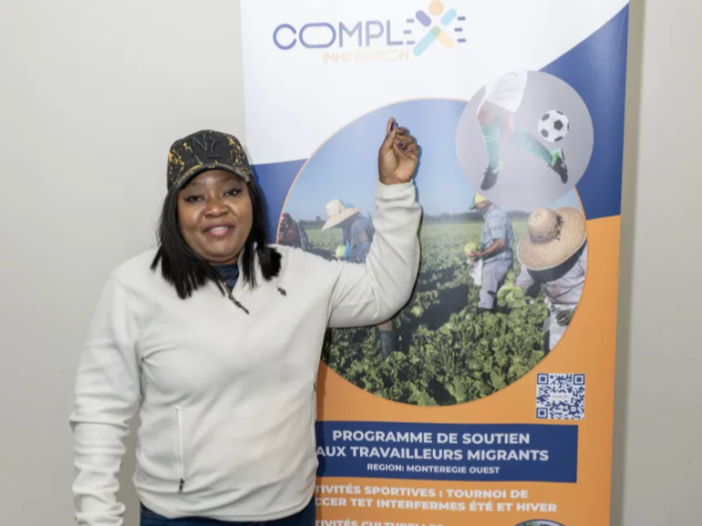
During the event, Jonathan Buitrago, Regional Coordinator of InfoTET at Immigrant Québec, also took the opportunity to present the InfoTET Québec program and distribute the information guide for TFWs. This guide provides practical tools on workers’ rights and obligations, as well as on the services and resources available across the province. The interaction with participants was highly enriching, allowing questions to be addressed, needs to be identified, and reinforcing InfoTET’s mission: to provide clear, accessible, and useful information to support TFWs throughout their stay in Québec.
From InfoTET’s perspective at Immigrant Québec, this type of initiative organized by Complexe X Immigration is especially valuable. By combining culture, sports, and community support, these activities not only strengthen the social integration of TFWs, but also promote spaces of well-being, recognition, and human connection—essential elements for their life and work experience in Québec. We would especially like to acknowledge Sandra Cerdeline and Andreu Perez for organizing this successful activity, as well as their ongoing commitment to the well-being and integration of temporary foreign workers.